6 Factors that Affect the Cost of Tree Removal Service
Property maintenance requires careful attention to safety and aesthetics, especially when managing large vegetation on your residential lot. When a tree becomes a hazard or obstructs development plans, hiring a professional tree removal service becomes necessary. Property owners must understand that pricing is never uniform because various elements influence the final cost, making individual evaluations essential.
Engaging with experienced professionals ensures that the entire process is handled safely without causing catastrophic property damage. By understanding these specific cost drivers, homeowners can make informed decisions, allowing for smoother execution and avoiding unexpected financial surprises.
1. Measure Tree Size and Height
The overall dimensions of a tree represent a primary consideration when estimating the cost of a tree removal service. Smaller trees require less labor and fewer tools, keeping the base price relatively low for homeowners. As height increases, the complexity of the operation grows significantly, requiring advanced rigging techniques to lower heavy branches safely without damage.
Arborists determine size by measuring the trunk diameter at a standard height above ground level. A larger trunk diameter indicates a more substantial mass of dense wood and a more extensive root system to handle. This measurement helps experts gauge the volume of debris requiring processing, meaning a wider trunk translates into more hours of intensive manual labor.
The density of the wood combined with height creates distinct operational challenges for the field crew. According to This Old House, two specific hardwood varieties, namely maple and oak, require extra machinery and more time to clear away than softer trees like the spruce. This reality means that heavier trees naturally command higher final prices.
2. Identify the Tree Species
The specific type of tree being removed dictates the exact methods and tools the crew must utilize on-site. Certain species possess complex structural characteristics, such as widespread canopy architectures, that complicate the dismantling process. Hardwoods present a tougher challenge than softwoods because their dense fibers are heavy, slowing down the overall project pace for the workers.
In suburban and urban landscapes, popular choices like birch or poplar grow rapidly but bring unique removal difficulties. These species often grow in tight clusters near property lines, meaning branches intertwine with other landscaping elements or roofs. These complications can alter the baseline price of a professional tree removal service depending on the specific species distribution.
Rare or protected species introduce an entirely different layer of complexity that goes beyond physical labor. Removing these specimens involves strict legal compliance and formal consultation with environmental experts or local historical boards. The process can be delayed by mandatory assessment periods, and the delicate handling required to remove a protected tree legally drives up final costs.
3. Assess the Tree Condition
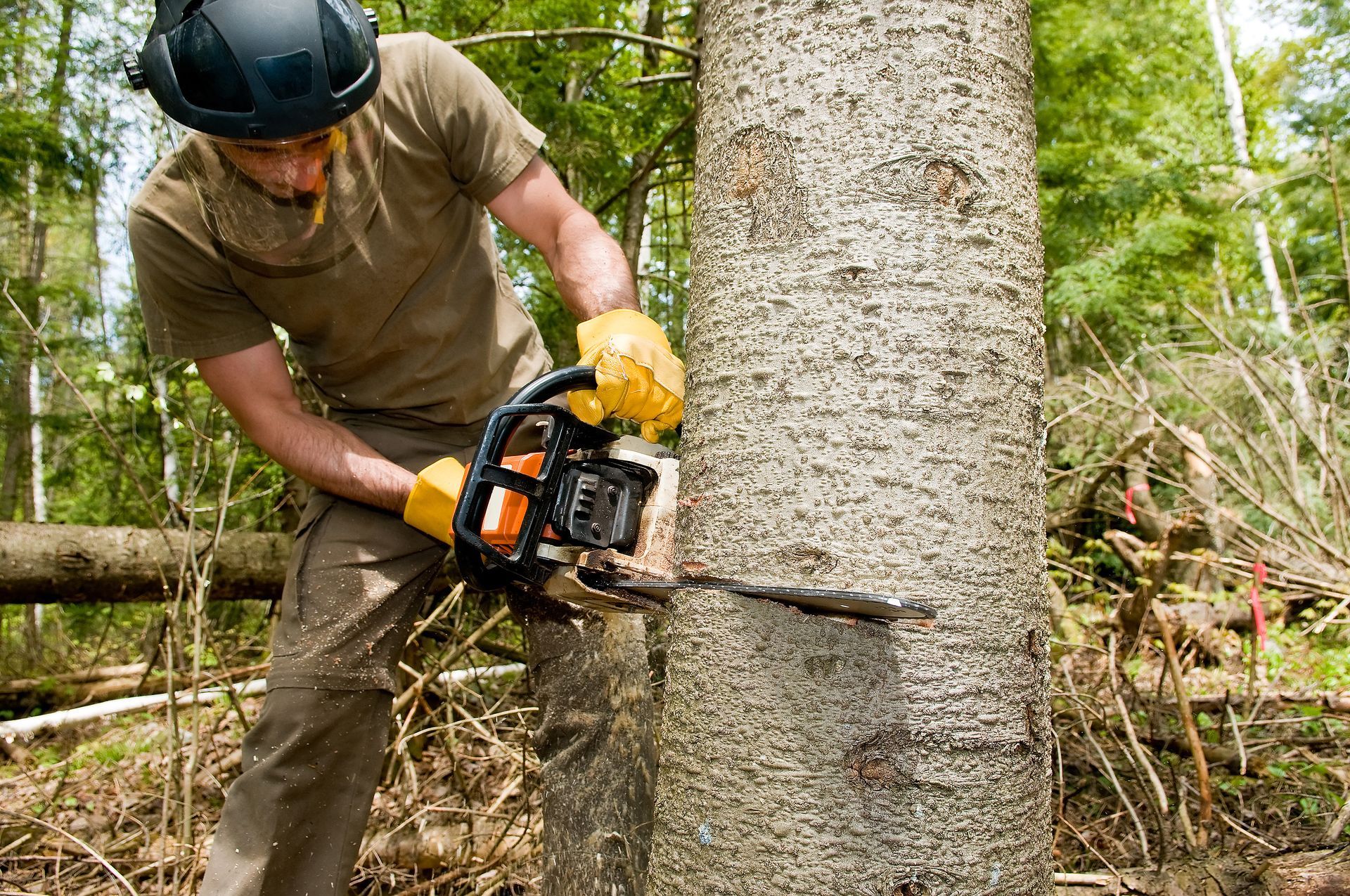
A tree's current state of health plays a massive role in how a crew approaches the felling process safely. A perfectly healthy tree has predictable structural integrity, which allows arborists to plan cuts with high certainty and efficiency. However, living wood is strong and resilient, requiring significant physical effort and sharp equipment to saw through completely.
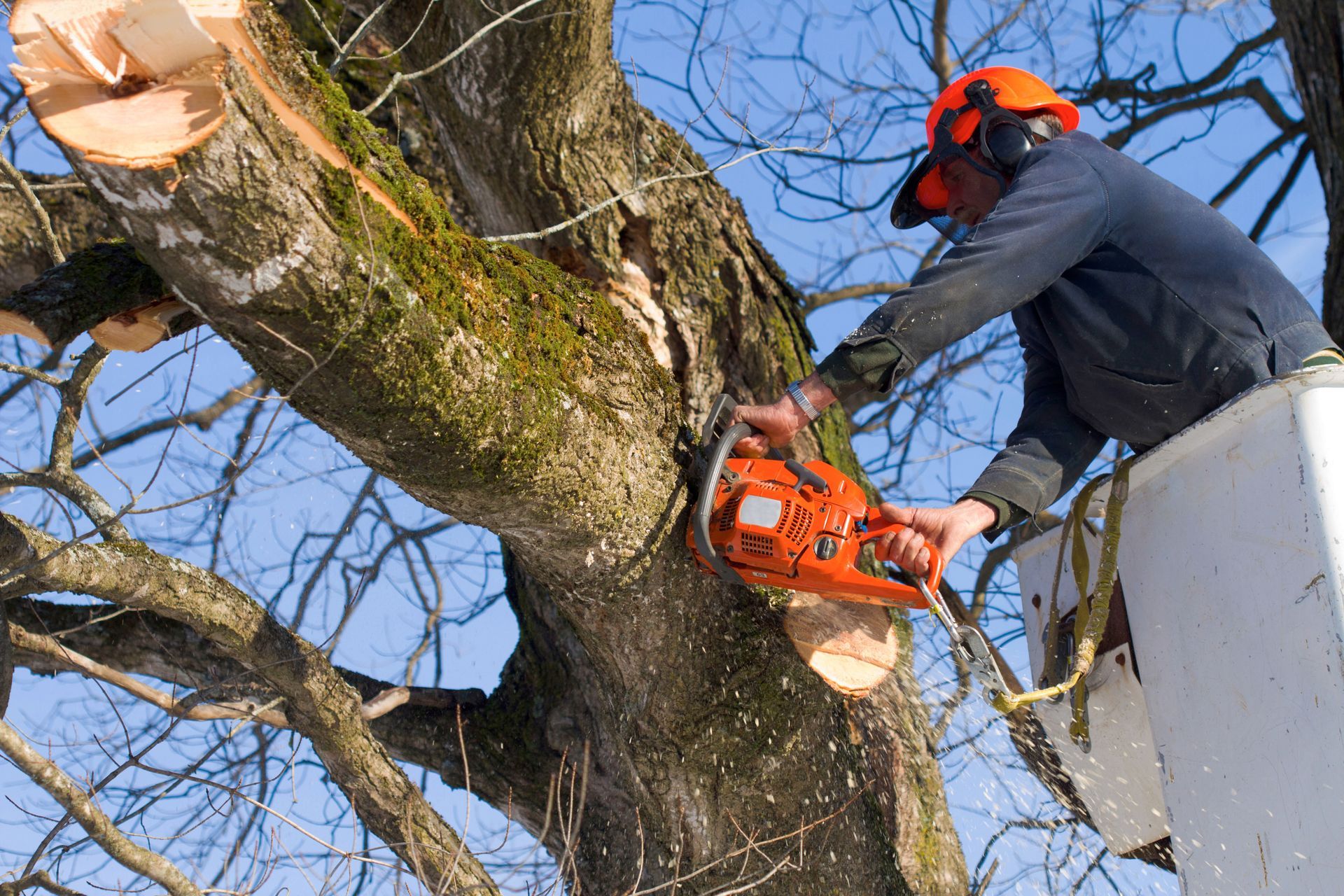
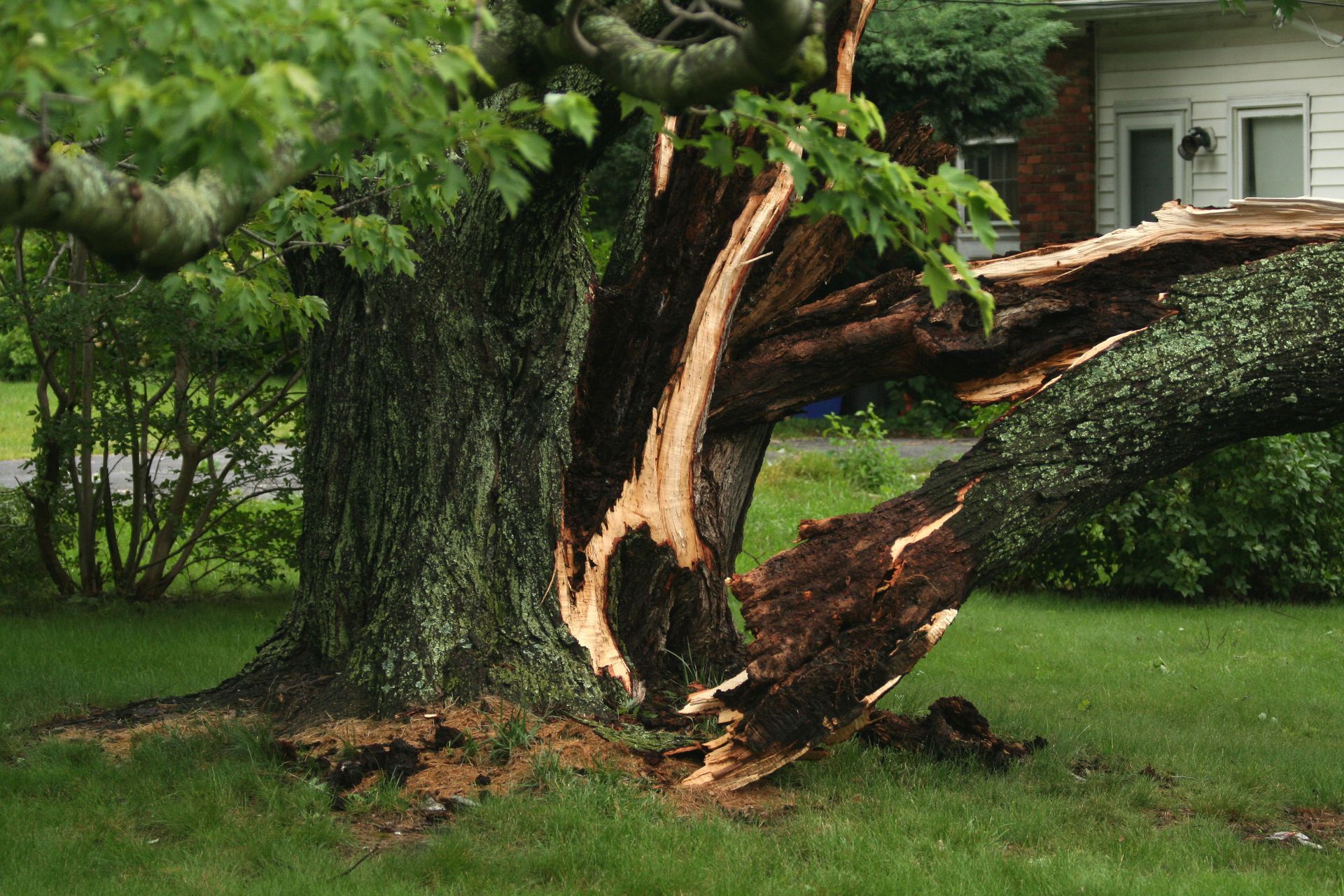
When a tree is decaying, diseased, or dying, its structural integrity becomes highly volatile and unpredictable. Hollow trunks or rotting limbs can snap unexpectedly under weight, forcing the company to utilize safer alternative methods. Bringing in bucket trucks or cranes instead of climbing reflects directly in the total pricing of the professional tree project.
Infestations by pests or severe pathogen infections introduce specialized disposal requirements that affect the final estimate. Property owners must ensure that infected wood is treated or transported according to strict protocols to prevent spreading pests to healthy trees. Every structural flaw and health issue influences the final bill of a professional tree removal service.
4. Analyze Location and Accessibility
The physical environment surrounding the worksite determines how easily the crew can perform their duties safely. A tree standing in an open field allows for straightforward directional felling, minimizing time and labor. Conversely, a tree located close to homes or delicate hardscaping requires piece-by-piece dismantling, making location a major factor for any professional tree removal service.
Physical access to the base of the tree dictates what type of machinery can be brought onto the property. If a yard is only accessible through a narrow pedestrian gate, heavy machinery cannot be utilized by the team. In these situations, the crew must rely on manual labor to carry heavy logs, which elevates total operational costs.
The proximity of utility infrastructure introduces severe hazards that demand meticulous planning and execution. Working near active power lines requires specialized training and close coordination with utility companies to avoid accidents. Crews must use non-conductive tools and follow strict safety margins, and this specialized expertise naturally causes the pricing to adjust upward for urban jobs.
5. Review Local Permits and Regulations
Navigating the legal framework governing property modifications is a necessary step before any physical work begins. Many municipalities require formal applications and official permits before a tree can be cut down legally. The fees associated with these permits vary widely depending on local ordinances, and ignoring them can result in expensive legal fines and project delays.
Environmental regulations often dictate specific times of the year when certain trees cannot be disturbed due to nesting birds. Compliance with wildlife protection acts might require pre-removal surveys by certified ecologists to check the habitat. These ecological guidelines represent essential operational steps mandated during a tree removal service to ensure full environmental safety and regulatory compliance.
Historical preservation zones impose even stricter guidelines on changing the landscape around registered properties. Homeowners in these districts must present detailed evidence showing that a tree poses an immediate safety hazard. The paperwork and extended waiting periods create a prolonged timeline that increases administrative overhead, directly affecting the final contract price for residential clients.
6. Evaluate Essential Additional Services
Beyond the primary task of felling, clients often require extra assistance to restore their property. Stump grinding is a common option that removes the visible remains of the trunk below ground level. This process requires specialized machinery and operator expertise, making it a separate billing factor that smart property owners should anticipate beforehand.
Complete stump removal goes a step further by extracting the entire root network from the ground. This intensive process leaves a large hole that requires filling and grading to restore the lawn properly. Choosing this comprehensive route demands more heavy machinery and labor hours, which noticeably increases the total financial investment for the discerning property owner.
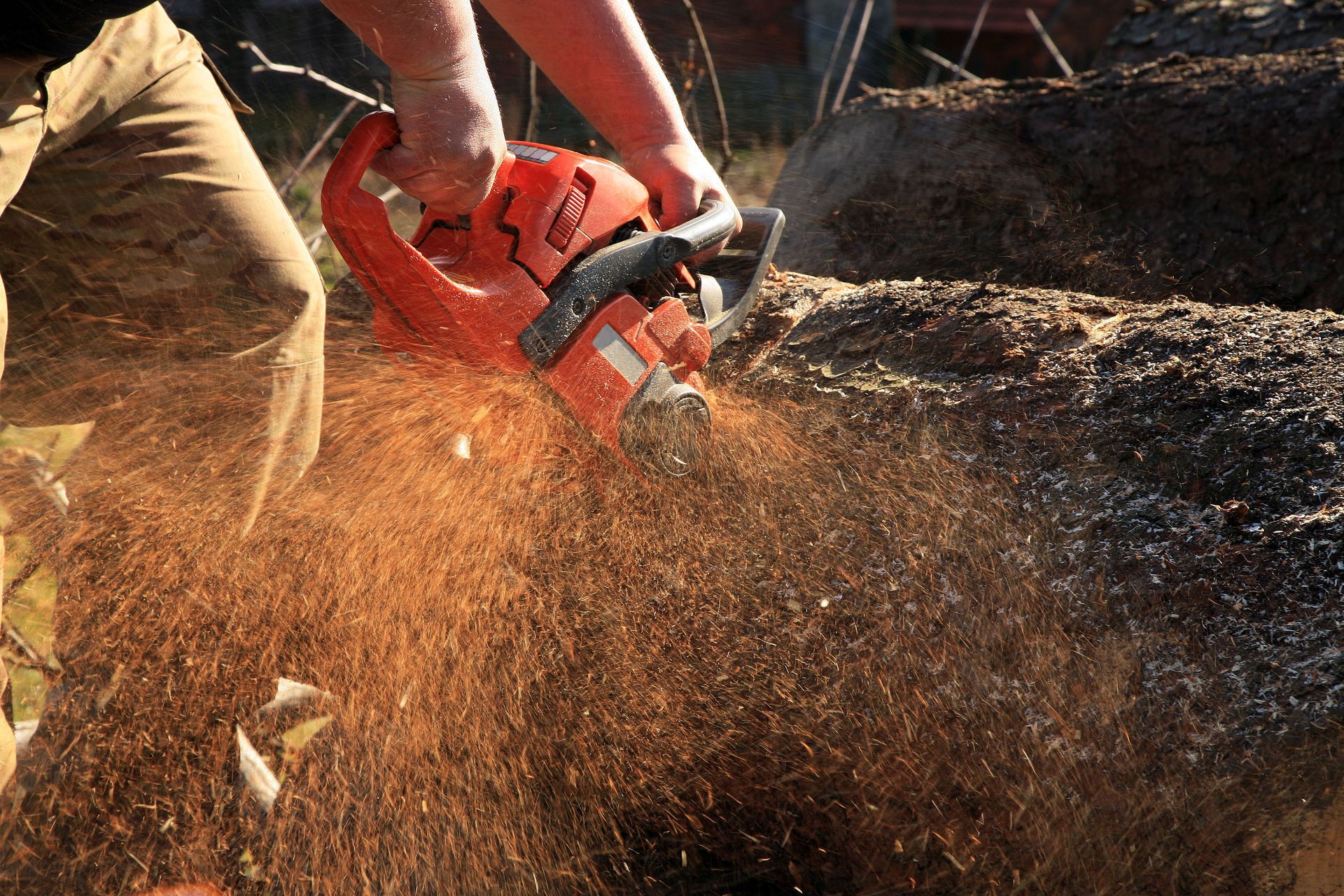
Debris disposal, wood chipping, and emergency response calls represent other options that alter the final invoice. Clearing away scattered branches and vacuuming sawdust requires dedicated manual labor. Emergencies following a severe storm command premium rates due to the urgent deployment of resources provided by a comprehensive tree removal service company.
The overall cost of managing property trees depends on several interconnected variables. From physical dimensions and species characteristics to environmental access and local legal mandates, each element plays a critical role. Recognizing these cost drivers allows property owners to budget accurately while investing in a reliable tree removal service for their long-term safety.
Navigating these options ensures that you receive high-quality workmanship tailored to your specific landscape needs. For safe, professional, and fully compliant assistance with your next property maintenance project, contact us at Fitness Tree Service today so we can quickly help you achieve your landscape goals.
Share On: