
The Tools of the Trade: A Look at the Equipment Used in Tree Removals
In the realm of modern arboriculture, the importance of utilizing specialized equipment cannot be overstated. The heavy machinery, cutting tools, and rigging systems involved in professional tree removals not only enhance operational efficiency but also safeguard property and protect crew members working in high-risk environments. Without these technical tools, managing hazardous timber would become an extraordinarily dangerous, labor-intensive, and unpredictable endeavor.
From precision chainsaws to massive aerial lifts, every piece of equipment serves a distinct purpose in dismantling trees safely. According to TheRoundup, 42 million trees are cut down every day. Managing this immense volume of timber worldwide requires strict adherence to safety protocols, advanced engineering, and an in-depth understanding of the specialized tools designed for tree removals.
Chainsaws: The Workhorses of Timber Cutting
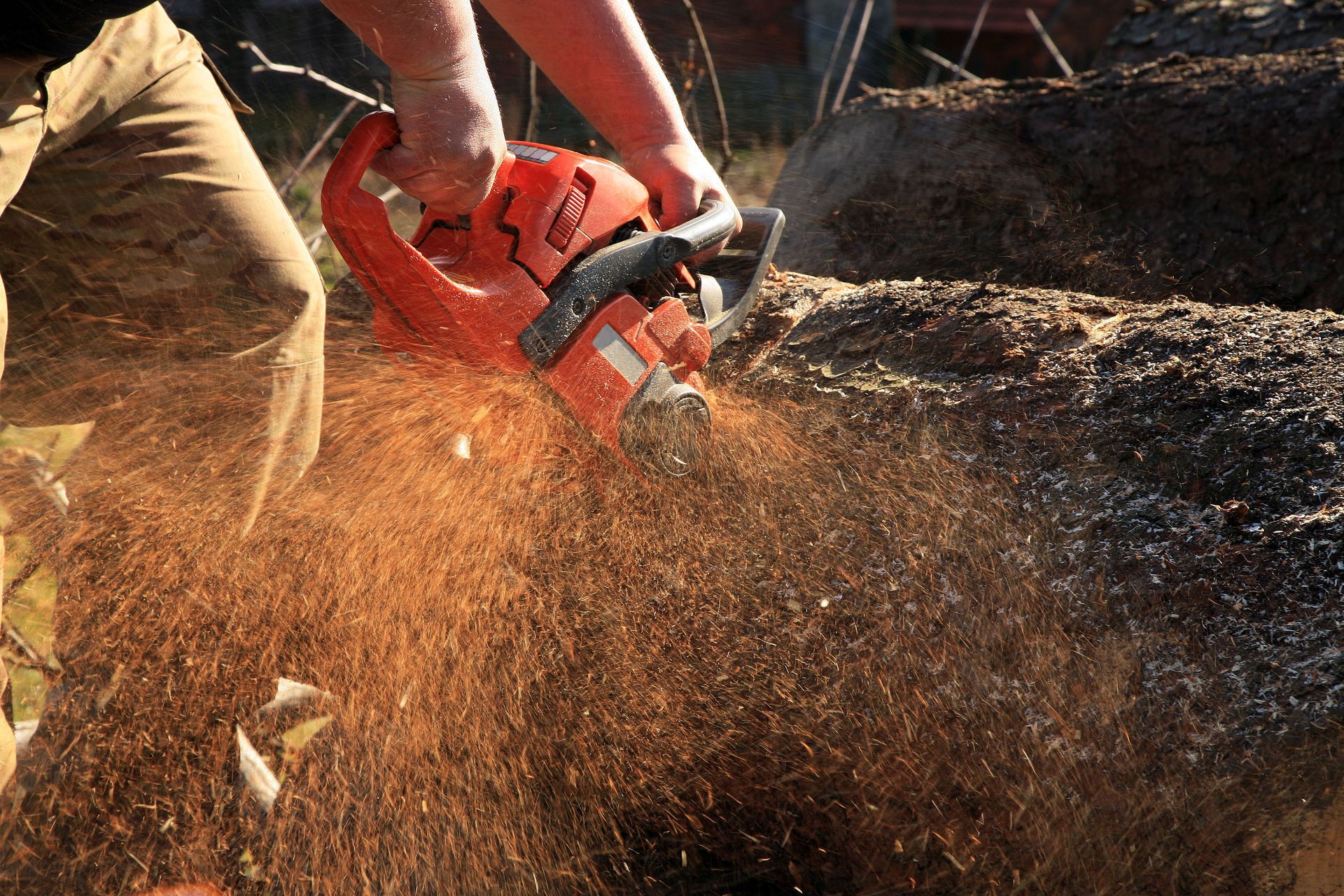
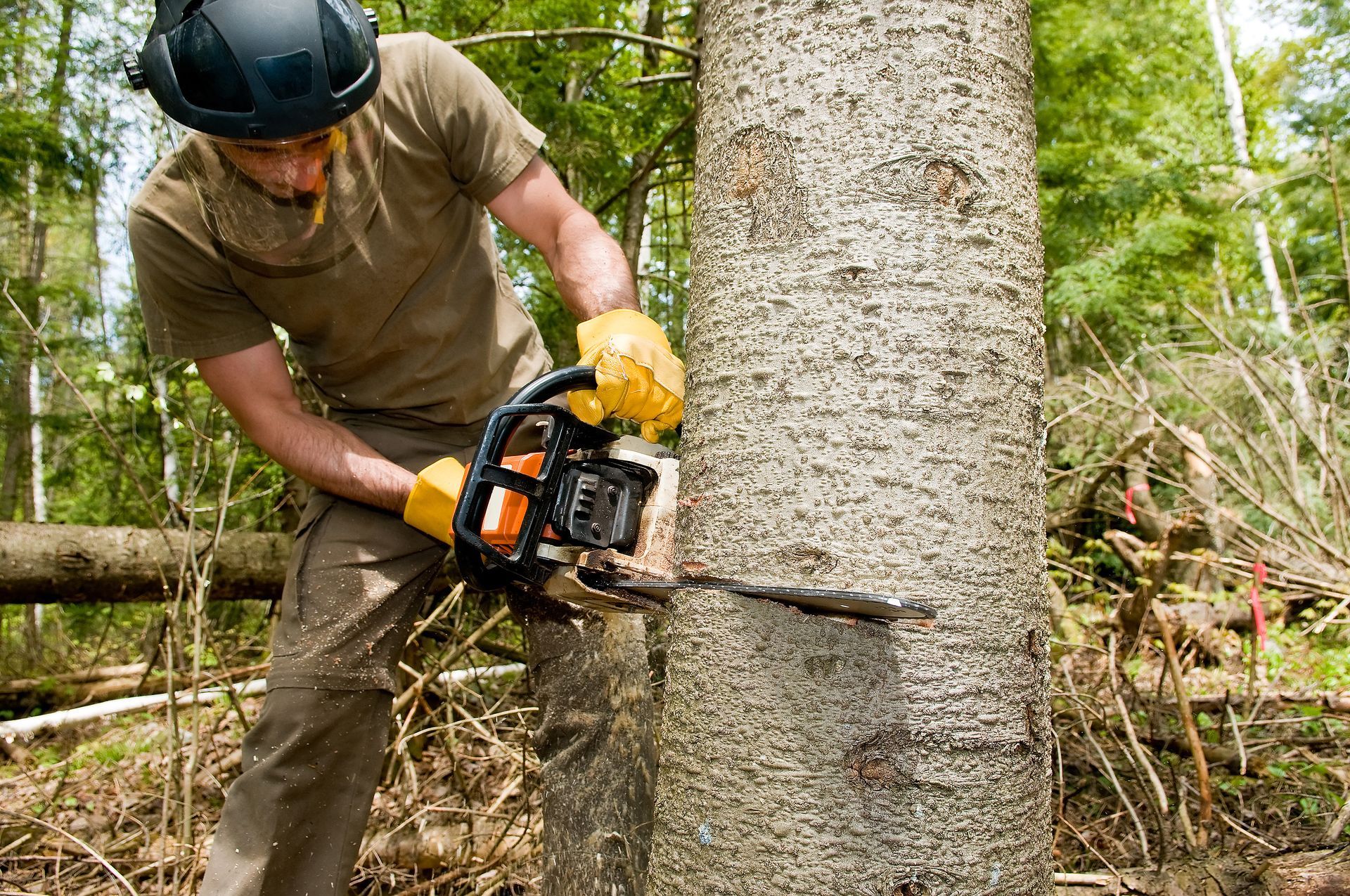
Chainsaws are the foundational tools of arboriculture, engineered to handle everything from intricate crown thinning to felling massive hardwoods. Modern chainsaws fall into three primary categories based on their power source:
- Gas-Powered Chainsaws: Highly valued for their raw cutting power, high chain speed, and mobility, making them essential for heavy-duty felling and sectioning large trunks.
- Electric Chainsaws: Corded electric saws provide reliable power and low noise, ideal for ground-level bucking near residential power sources.
- Battery-Operated Chainsaws: Rapidly growing in popularity, battery saws offer exceptional portability, instant starting, and reduced noise without producing direct emissions, making them ideal for in-canopy pruning and residential work.
Selecting the appropriate chainsaw depends heavily on the engine displacement, bar length, and overall power-to-weight ratio. Long guide bars allow arborists to slice through large-diameter trunks in a single pass, whereas lightweight, well-balanced top-handle saws are specifically tailored for climbing arborists operating up in the tree canopy.
Modern chainsaws incorporate crucial safety mechanisms to reduce job-site hazards. Inertia-activated chain brakes instantly stop the rotating chain during a kickback event, while throttle interlocks prevent accidental acceleration. Integrated anti-vibration rubber mounts isolate the engine from the handles, reducing operator fatigue and helping to prevent long-term neurological conditions like Hand-Arm Vibration Syndrome (HAVS).
Regular maintenance—including daily chain sharpening, bar rail dressing, air filter cleaning, and checking automatic chain oilers—ensures that chainsaws operate at peak efficiency during demanding tree removals. Industry leaders such as Stihl, Husqvarna, and Echo remain top choices for commercial arborists due to their durability and extensive service networks.
Rigging Hardware and High-Strength Ropes
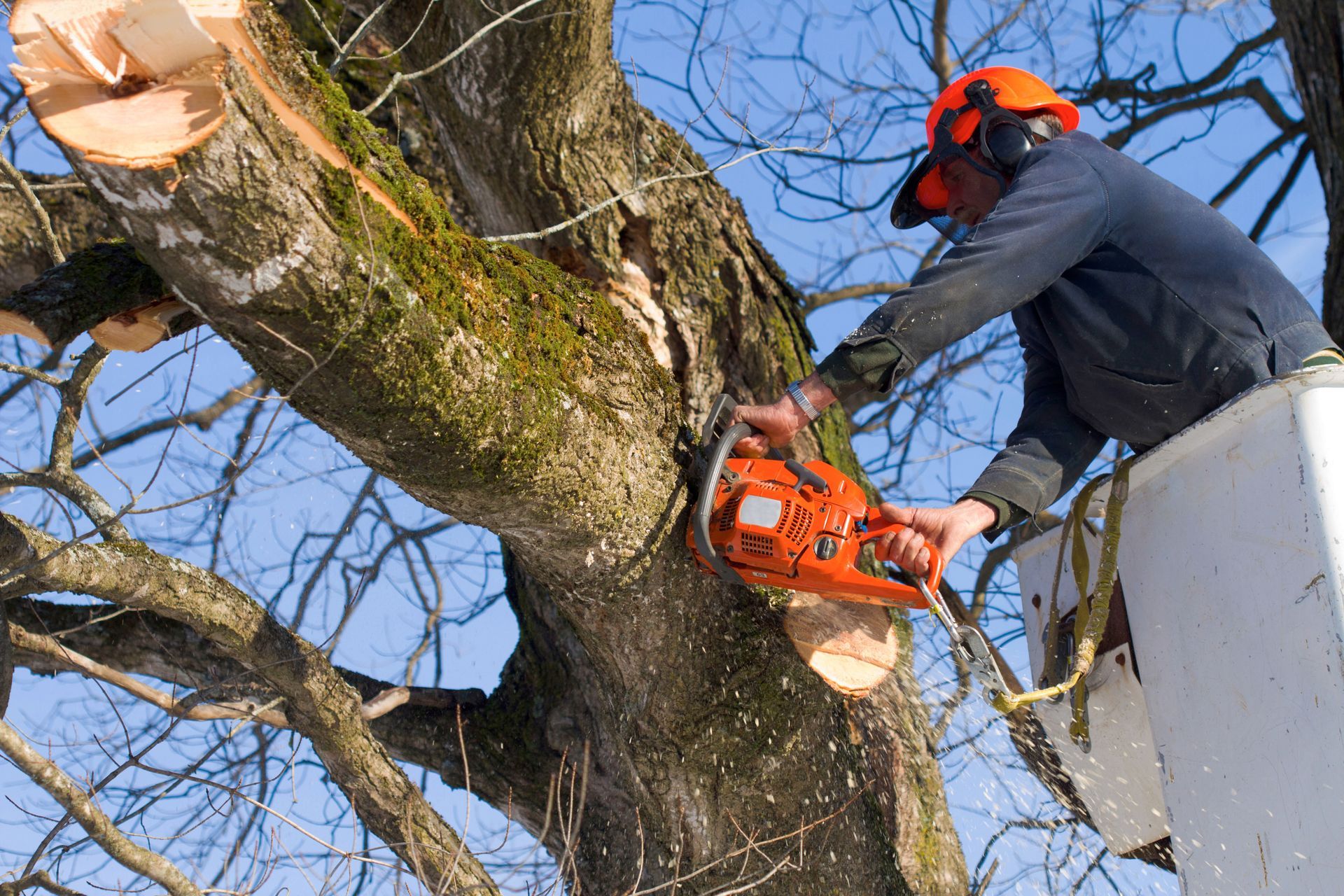
When trees cannot be felled intact due to surrounding structures or utility lines, arborists must systematically dismantle the canopy piece by piece using advanced rigging equipment. Rigging allows heavy limbs and trunk sections to be lowered to the ground in a controlled manner without damaging property below.
Arborists utilize specialized, low-stretch static lowering lines designed to absorb immense dynamic forces without snapping. Climbing ropes, by contrast, feature dynamic construction that provides a slight cushion if a climber experiences a fall.
The rigging setup relies on heavy-duty steel and aluminum hardware:
- Arborist Pulleys and Blocks: Engineered with wide sheaves to accommodate thick lowering lines, these components redirect rigging lines and reduce friction.
- Friction Brake Devices: Mounted at the base of the tree, friction brakes (such as Port-a-Wraps or bollards) allow ground crews to control heavy, descending logs effortlessly using mechanical friction.
- Carabiners and Shackles: High-strength, steel locking connectors secure rigging blocks to heavy-duty anchor slings.
Executing safe rigging operations requires a deep understanding of load dynamics, timber weight estimation, and knot tying. Knots like the running bowline, timber hitch, and clove hitch secure lowering lines to heavy branches. Rigging gear must be inspected daily for thermal glazing, core damage, or metal fatigue. Formal arborist certifications through organizations such as the International Society of Arboriculture (ISA) ensure that tree care specialists master these high-load rigging techniques.
Wood Chippers and Debris Processing Equipment
Once tree limbs are lowered to the ground, processing massive volumes of brush becomes the next operational challenge. High-capacity wood chippers allow crews to convert bulky branches into compact, reusable wood mulch within seconds, radically improving job-site cleanup.
Wood chippers generally utilize two primary cutting mechanisms: drum chippers and disc chippers. Drum chippers feature a heavy, rotating cylinder equipped with steel blades that pull branches in rapidly, making them exceptionally powerful for processing thick, brushy material. Disc chippers use a flat, heavy steel disc mounted at a 45-degree angle, producing uniform wood chips while consuming less energy.
Modern commercial chippers incorporate hydraulic feed rollers that automatically drag twisted branches into the cutting chamber, drastically reducing manual labor for ground crews. Safety features are paramount on these machines; last-chance emergency pull cords, wide infeed trays, and reverse feed control bars allow operators to stop the rollers instantly if an emergency occurs.
Beyond clearing job sites efficiently, wood chippers play a vital environmental role. Instead of sending wood waste to landfills, processed wood chips are repurposed as organic landscape mulch, soil conditioners, or biomass fuel, promoting sustainable resource management within the urban forestry sector.
Heavy-Duty Stump Grinders
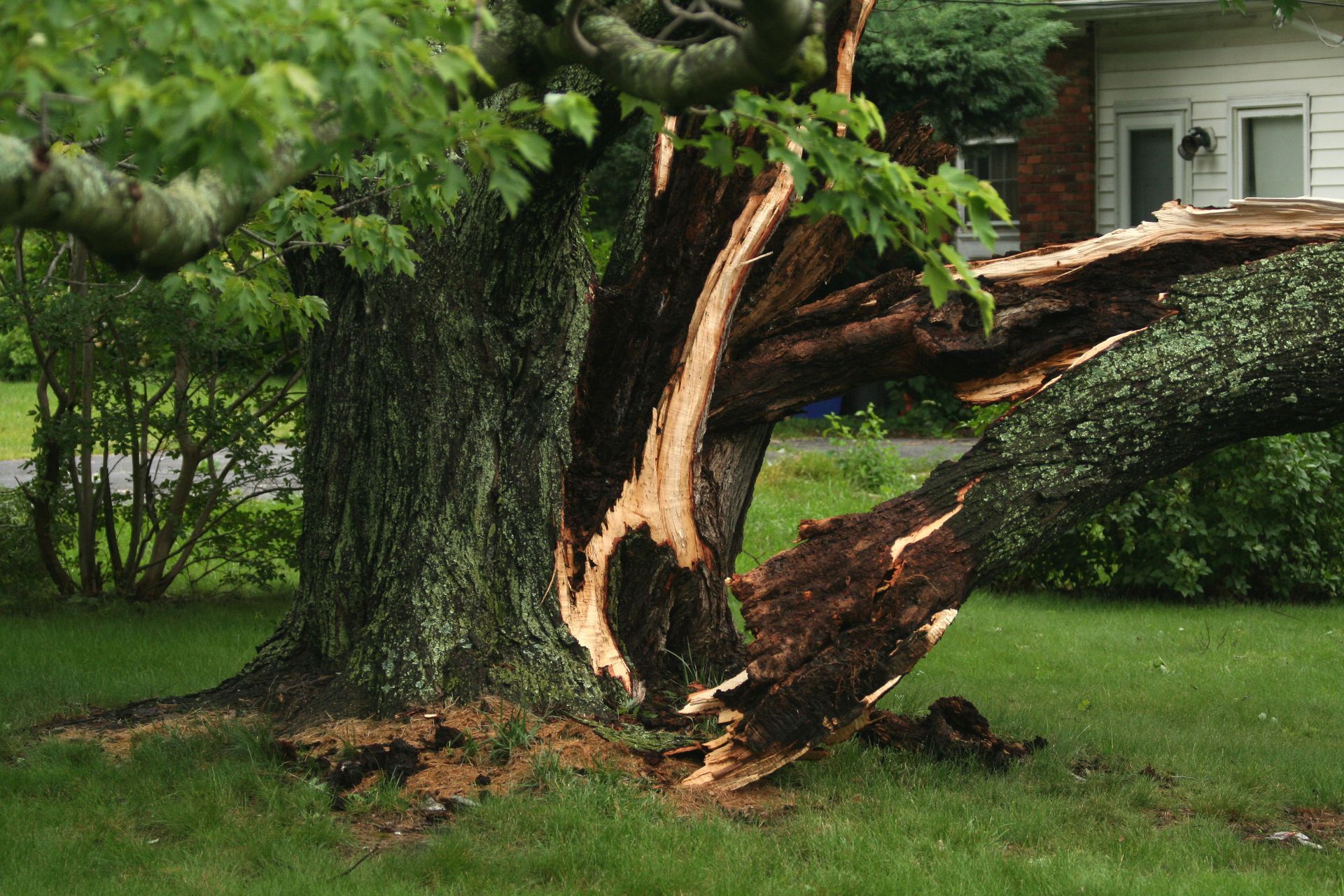
Removing the above-ground portion of a tree leaves behind a stubborn root system and stump that can pose tripping hazards, attract wood-boring pests, or impede construction. Heavy-duty stump grinders provide the ultimate mechanical solution for complete site remediation.
Stump grinders utilize a high-speed steel cutting wheel lined with ultra-durable carbide teeth. As the wheel sweeps laterally back and forth across the stump, the carbide teeth chew the dense wood and surrounding soil into fine wood shavings, grinding the stump several inches below ground level.
Stump grinders come in various configurations to suit different job-site terrains:
- Handheld/Walk-Behind Grinders: Compact models designed to maneuver through narrow garden gates and operate in tight residential yards.
- Self-Propelled Wheeled Grinders: Highly maneuverable units that deliver superior horsepower for medium to large residential stumps.
- Track-Mounted Grinders: Heavy-duty machines riding on rubber tracks, providing low ground pressure to traverse soft turf, muddy terrain, and steep inclines without causing lawn damage.
Because stump grinders throw rocks and wood debris at high speeds, operators must establish clear safety perimeters, deploy protective debris shields, and wear full protective gear. Maintaining carbide teeth through regular sharpening and proper torque adjustments ensures that stump grinders process dense wood efficiently.
Personal Protective Equipment (PPE)
Tree care is recognized as one of the most hazardous industries in the world, making specialized Personal Protective Equipment (PPE) mandatory for every crew member on site. Personal safety gear acts as the final line of defense against falling branches, high-speed cutting chains, and high-decibel machinery noise.
Ground operators and climbers rely on a full suite of protective clothing tailored for dangerous tree removals:
- Chainsaw Chaps and Pants: Constructed with layers of high-tenacity ballistic fibers (such as Kevlar or Engtex) designed to instantly tangle in a moving chainsaw sprocket, stopping the chain before it cuts the operator.
- Arborist Helmets: Impact-resistant helmets equipped with integrated mesh face shields and adjustable chin straps to protect against head injuries from falling wood.
- Hearing Protection: Noise-canceling ear defenders or helmet-mounted earmuffs that attenuate high-frequency engine noise from chainsaws and wood chippers.
- Protective Footwear: Heavy-duty, steel-toe leather boots featuring deep lug soles for superior traction on wet bark, uneven terrain, and steep slopes.
Routine inspection and prompt replacement of damaged safety gear are vital to maintaining workplace safety standards mandated by organizations like OSHA.
Executing safe, efficient, and professional tree removals requires a sophisticated combination of high-powered cutting equipment, technical rigging hardware, protective gear, and heavy processing machinery. Every tool—from the smallest chainsaw to the largest track-mounted aerial lift—plays an interconnected role in maintaining safety standards while clearing hazardous timber. When you need expert arboricultural services, hazardous tree evaluations, or professional site clearing, rely on the dedicated team at Fitness Tree to manage your property safely, efficiently, and with total precision.
Share On: