
Emergency Tree Removal: What to Do After a Storm
Severe storms can leave behind a trail of destruction, and one of the most pressing hazards after a storm is damaged or fallen trees. Broken branches, uprooted trunks, and leaning trees not only threaten your property but also pose serious safety risks to residents and passersby. Knowing what steps to take immediately after a storm can protect your home, your family, and your landscape. Emergency tree removal is often required in these situations to prevent further damage and ensure safety.
Assess the Situation Safely
Before approaching any damaged trees, safety should be your top priority. Storm-damaged trees can be unpredictable, and branches or trunks may fall unexpectedly. Begin by evaluating the area from a safe distance. Look for downed power lines, leaning trees, and unstable branches that could pose immediate danger. Avoid touching or moving trees near electrical lines and always assume that power lines are live. Identifying hazards before taking action reduces the risk of injury and ensures a safer environment for emergency tree removal professionals.
Document the Damage
Once the area is safe, document the damage with photos or video. Insurance companies often require detailed evidence to process claims, and capturing the condition of the trees and surrounding property is essential. Take wide shots showing the tree's location relative to structures and close-ups of broken limbs or uprooted roots. Thorough documentation can also help tree removal services plan their approach and provide accurate cost estimates. Keeping records ensures you are prepared when seeking professional assistance and helps streamline the entire emergency tree removal process.
Determine the Need for Tree Removal
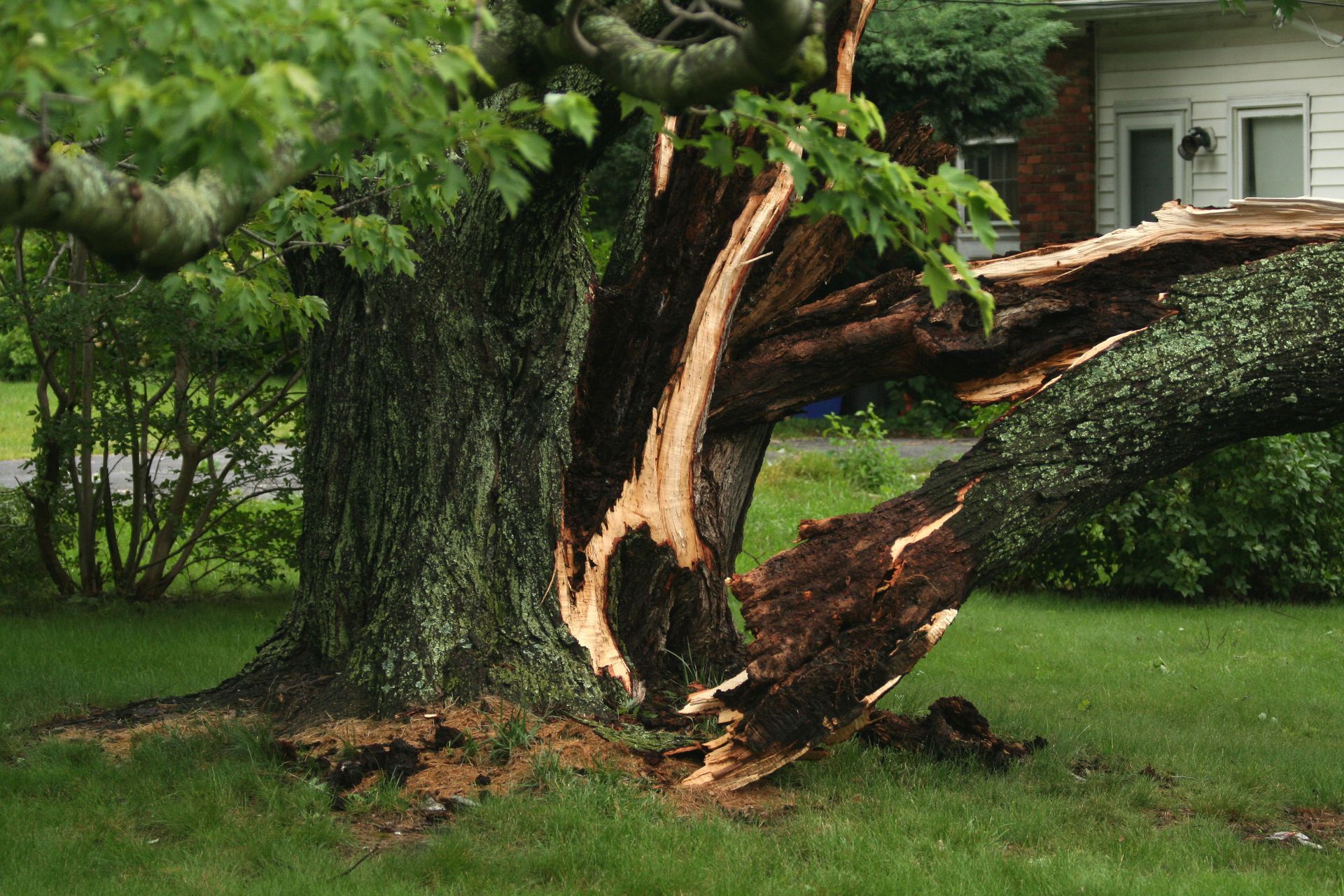
Not all storm-damaged trees require removal. Some trees may be salvageable with pruning or cabling. However, certain situations demand immediate action. Trees that are severely split, leaning dangerously toward buildings, or have extensive root damage often cannot recover. According to Tree Scout, once a tree sustains more than 50% damage to its canopy or branches, removal is often necessary as the tree is unlikely to recover. Identifying whether a tree can be saved or requires removal helps prioritize actions and ensures safety for everyone on the property.
Contact a Professional Tree Removal Service
Attempting to remove a storm-damaged tree yourself can be extremely dangerous. Professional tree removal companies have the equipment, expertise, and safety training to handle complex situations. When contacting a tree removal service, provide detailed information about the tree’s condition, location, and proximity to structures or power lines. Many companies offer 24/7 emergency services to respond quickly after storms, reducing further risk to your property. Choosing a licensed and insured provider ensures the work is performed safely and efficiently.
Prepare Your Property
While waiting for professionals, take steps to protect your property. Remove vehicles or outdoor equipment from the area surrounding the damaged tree. Keep pets and children away from the site, and mark any hazardous zones to prevent accidental injuries. Clearing walkways and creating a safe perimeter allows tree removal crews to work effectively without obstructions. This preparation can speed up the removal process and reduce the chance of additional damage during emergency tree removal.
Understand the Tree Removal Process
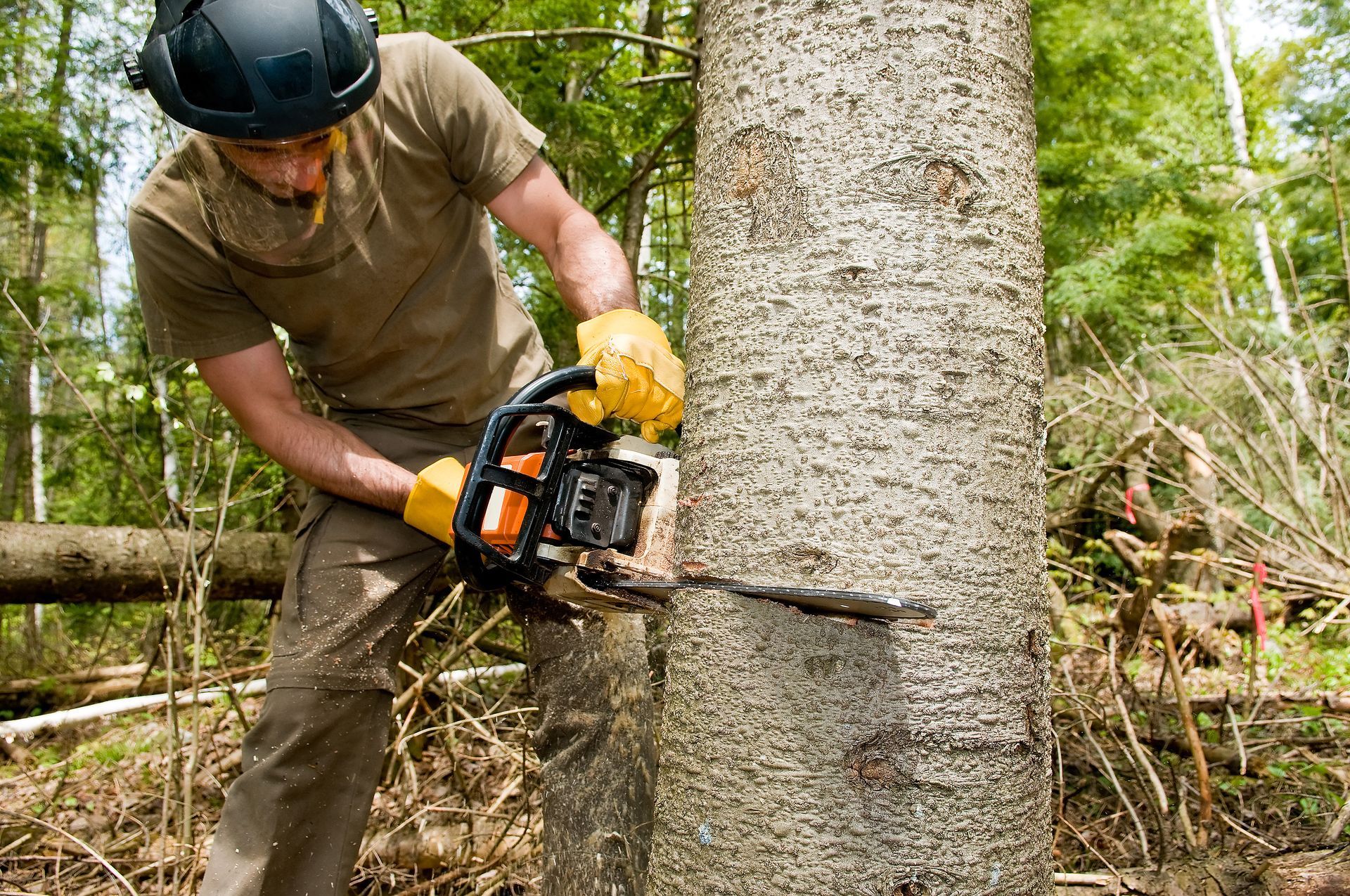
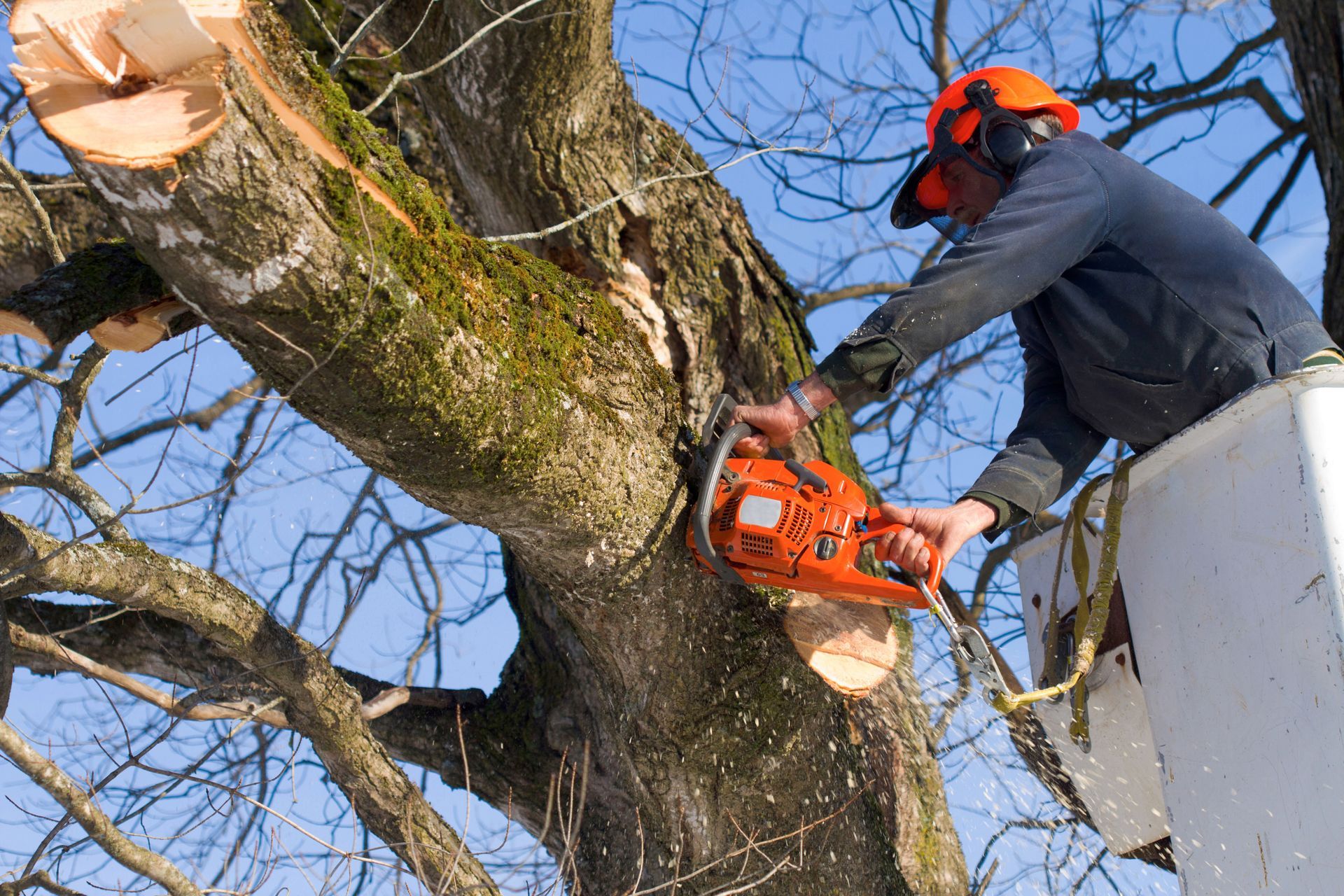
Professional tree removal involves several steps, each designed to ensure safety and minimize property damage. Crews typically begin by assessing the tree’s structure, including limbs, trunk stability, and root integrity. They may use cranes, ropes, or other equipment to control the descent of branches during cutting. Once the tree is dismantled, crews remove debris, grind stumps if necessary, and clear the area. Understanding this process can help homeowners prepare their property and anticipate the work involved in emergency tree removal.
Dealing with Debris and Cleanup
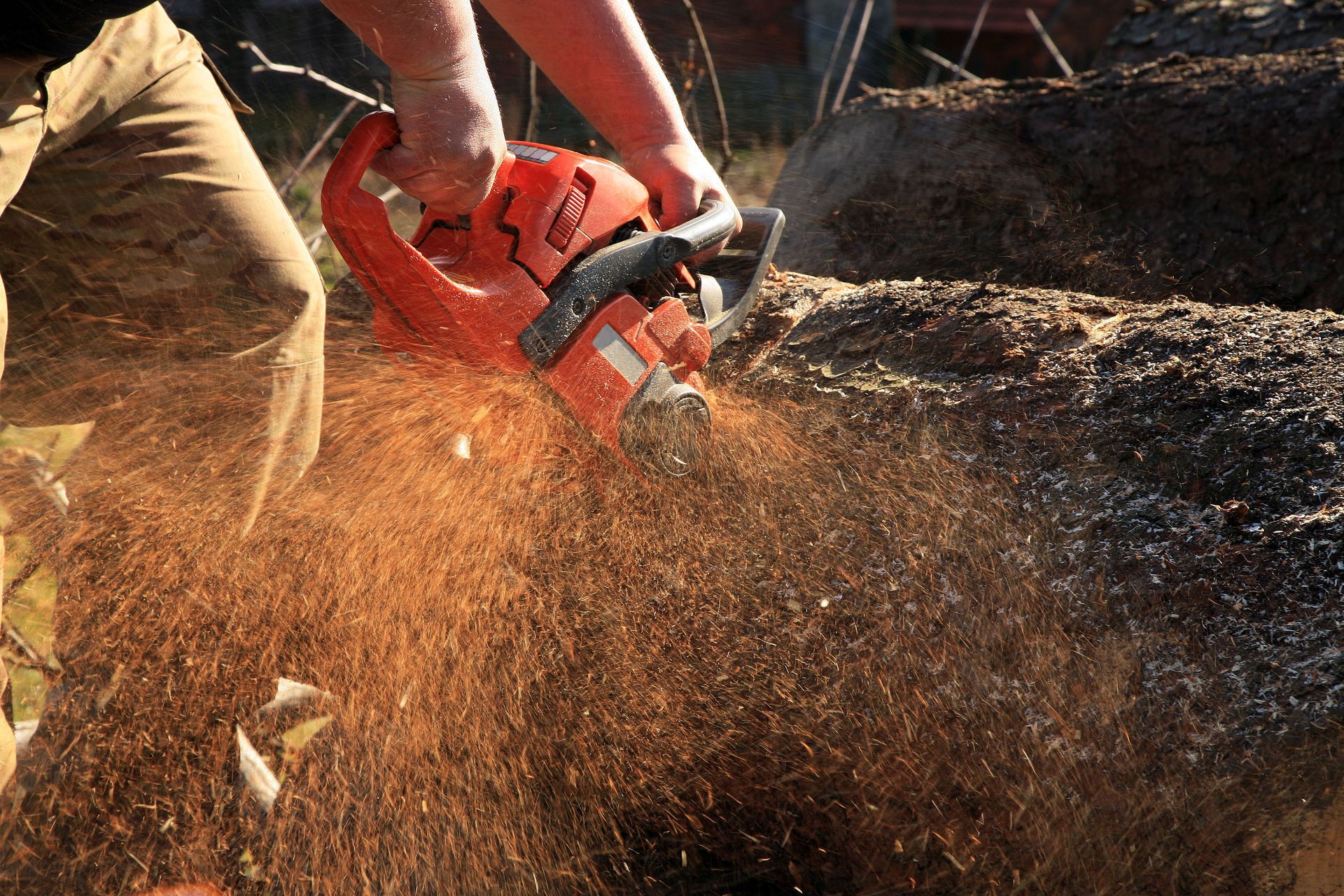
Storms often leave significant debris behind, including branches, leaves, and sometimes entire sections of tree trunks. Professional tree removal services typically offer debris removal and disposal as part of their service. Clearing debris promptly is important for safety, as leftover branches can pose tripping hazards or attract pests. In some cases, homeowners may also choose to repurpose certain wood pieces for firewood or landscaping projects. Efficient cleanup after tree removal restores your property and helps prevent further issues.
Insurance Considerations
Many homeowners’ insurance policies cover damage caused by fallen or storm-damaged trees. After a storm, contact your insurance provider to report damage and determine coverage. Provide detailed documentation, including photos and estimates from tree removal companies. Having professional evaluations helps support claims and ensures you receive compensation for necessary emergency tree removal and related repairs. Understanding your policy beforehand can save time and reduce stress during the recovery process.
Preventative Measures for Future Storms
Once your property has been cleared of storm-damaged trees, consider steps to prevent similar damage in the future. Regular tree maintenance, including pruning, cabling, and health assessments, can reduce risks. Identify trees that are susceptible to storm damage, such as those with weak root systems or structural defects, and address concerns early. Consulting with arborists or tree removal professionals periodically helps maintain the health and stability of your landscape, reducing the need for emergency tree removal during future storms.
Choosing the Right Tree Removal Company
Selecting a reliable tree removal company is essential for both safety and efficiency. Look for companies with certified arborists, appropriate insurance, and strong customer reviews. Ask about their experience handling storm-damaged trees and whether they provide emergency services. Getting multiple quotes and understanding pricing structures ensures transparency and prevents unexpected costs. A reputable company not only removes hazardous trees but also guides in maintaining the remaining trees to prevent future emergencies.
Health and Environmental Considerations
Tree removal after a storm can have environmental implications. Consider whether damaged trees can be repurposed, recycled, or used as firewood. Proper disposal protects the surrounding ecosystem and ensures local regulations are followed. Additionally, maintaining healthy trees in your yard supports biodiversity and helps manage stormwater runoff. Consulting tree removal professionals about environmentally responsible disposal methods balances safety, property protection, and ecological stewardship.
When to Act Quickly
Some situations demand immediate attention. Trees leaning over homes, blocking roadways, or tangled with power lines require urgent emergency tree removal. Delaying action increases the risk of property damage, injury, or service disruptions. Always prioritize safety and call professionals promptly rather than attempting risky DIY solutions. Quick response from trained crews minimizes danger and ensures that your home and family remain protected.
Storms can leave unexpected challenges in their wake, and damaged trees often present some of the most pressing hazards. Emergency tree removal ensures the safety of your property, family, and neighbors while mitigating potential long-term damage. From initial assessment and safety precautions to professional removal, debris management, and insurance considerations, understanding the full process empowers homeowners to respond effectively. Regular maintenance and consulting with tree removal experts further reduces risks and prepares your property for future storms. By taking timely and informed action, you can restore your property safely and maintain a resilient, beautiful landscape for years to come.
Whether dealing with immediate hazards or planning long-term care, professional tree removal is essential. Choosing certified and experienced companies guarantees efficient, safe, and environmentally responsible services. Remember to document damage, follow safety guidelines, and work closely with professionals to manage the aftermath of storms. Proper planning and expert intervention transform a chaotic situation into a controlled recovery, ensuring peace of mind and preserving the health and safety of your property. For more information, contact Fitness Tree Service today.
Share On: