
Storm Damage and Tree Service: What to Do After Severe Weather
Severe weather events can leave a lasting impact on coastal communities, and one of the most affected natural resources is trees. Proper management and care after such events are crucial for safety and environmental sustainability. Storm damage can vary widely, affecting property and community aesthetics. This guide provides comprehensive steps on assessing, managing, and recovering from severe weather to foster resilience.
Understanding Severe Damage and Risks
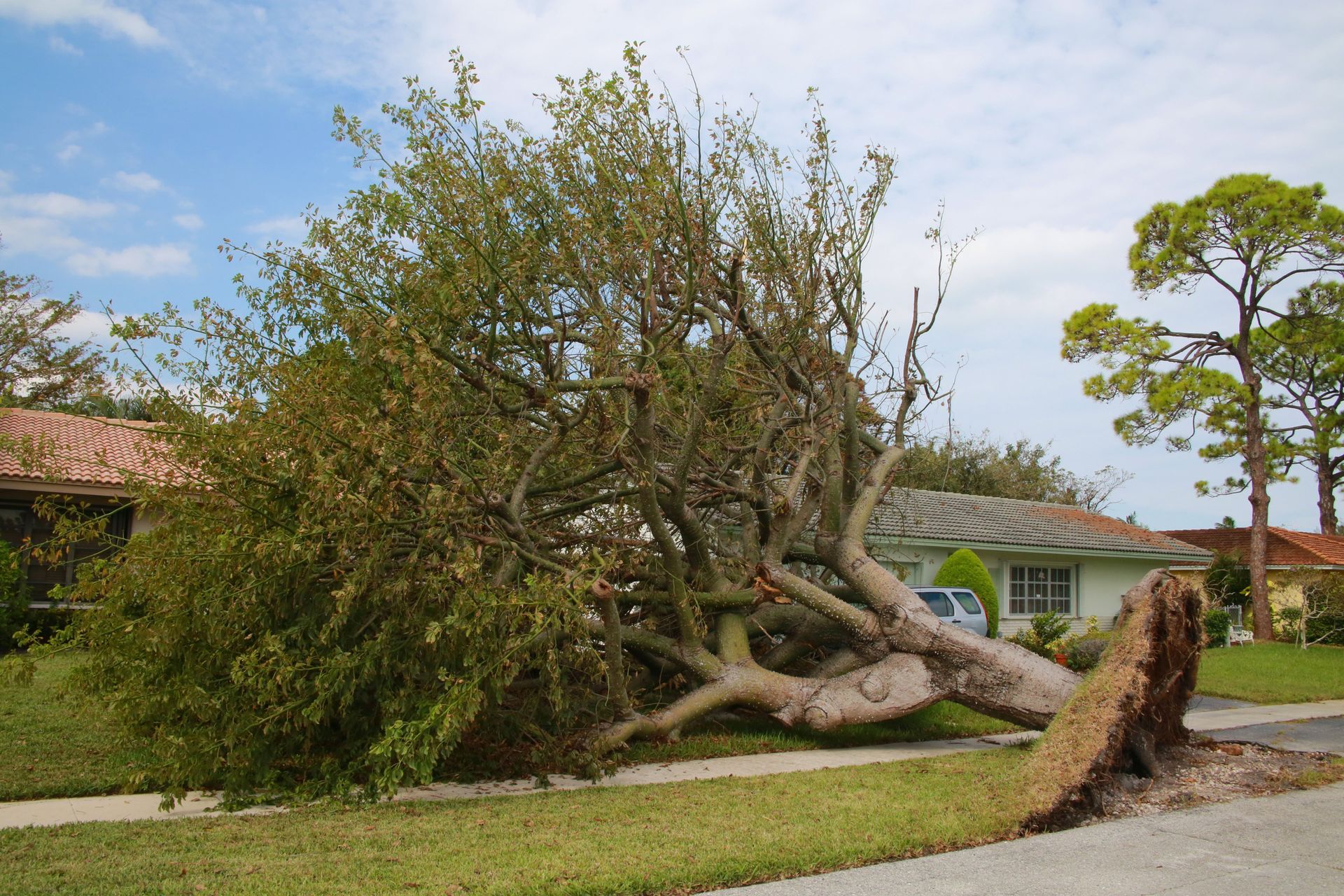
Storm damage manifests in various ways, including broken branches, uprooted systems, and split trunks. High winds cause broken limbs, while heavy rains contribute to soil saturation, increasing the risk of uprooting in shallow-rooted species. Lightning strikes present another hazard, often causing significant splits. Fast-growing species are prone to uprooting because of weaker root systems. Urban environments present harsh conditions for growth. According to the USDA Forest Service, 50% of trees placed in city settings survive for merely 13 to 18 years, and over 30% perish within five years. Recognizing these susceptibilities helps prioritize effective response plans.
While some impacts are apparent right after a weather event, others manifest later. Immediate hazards require urgent attention to mitigate risks to property and people. Delayed issues result from stress due to injuries that weaken natural defenses against pests and diseases. Trees experiencing stress may exhibit browning leaves, reduced foliage, and stunted growth. Leaning trunks demonstrate potential root destabilization, which increases the risk of collapse. Timely identification of these signs is critical for determining the next steps in care and general landscape safety management.
Prioritizing Immediate Safety and Hazards
Safety should always remain the top priority when assessing storm impacts. Conduct a visual inspection from a secure distance to identify large hanging branches, leaning trunks, and downed power lines. In severe weather conditions, knowing when to evacuate the area is vital. Pay attention to local alerts and remain indoors until conditions improve. Identifying dangerous situations helps prioritize interventions and prevent accidents. Look for visibly cracked trunks and split branches. Downed trunks tangled with power lines present extreme dangers that require prompt professional attention from a tree service.
Personal inspections should follow strict safety guidelines to minimize risk. Begin by examining the property from a safe distance, using binoculars to check for broken branches, exposed roots, or severe leaning angles. Avoid climbing damaged structures or using ladders, as hidden weakness can result in severe accidents. Document your observations with photos to support communication with professionals. For immediate danger to life or property, local emergency responders should be contacted. Engage with a professional tree service to handle extraction, ensuring compliance with local regulations and prioritizing human safety.
Conducting Initial Inspections and Assessments
After ensuring personal safety, conduct an initial survey to evaluate the extent of the damage on your property. Walk the perimeter to observe any fallen limbs or visible root displacements. Identify areas where destruction is more concentrated, potentially impacting stability or posing a risk to nearby structures. This check helps determine the need for urgent intervention. Accurate documentation is crucial for insurance claims and restitution. Organized records streamline communication with assessors and facilitate smoother resolution inquiries when you coordinate the cleanup process with a dependable local tree service.
Familiarizing yourself with your insurance policy terms is vital for managing expectations. Policies vary in their coverage scope for different types of landscape damage. Ensure you understand specific weather exclusions affecting compensation. While initial assessments provide a foundation, recognizing when expert intervention is necessary ensures proper management. Severe situations, such as massive uprooted trunks or significant structural threats, demand professional expertise. Certified arborists offer comprehensive inspection capabilities. Communicating your findings ensures your chosen tree service understands the complete scope of the required work, guiding environmentally sound decisions.
Managing Urgent Removal and Pruning
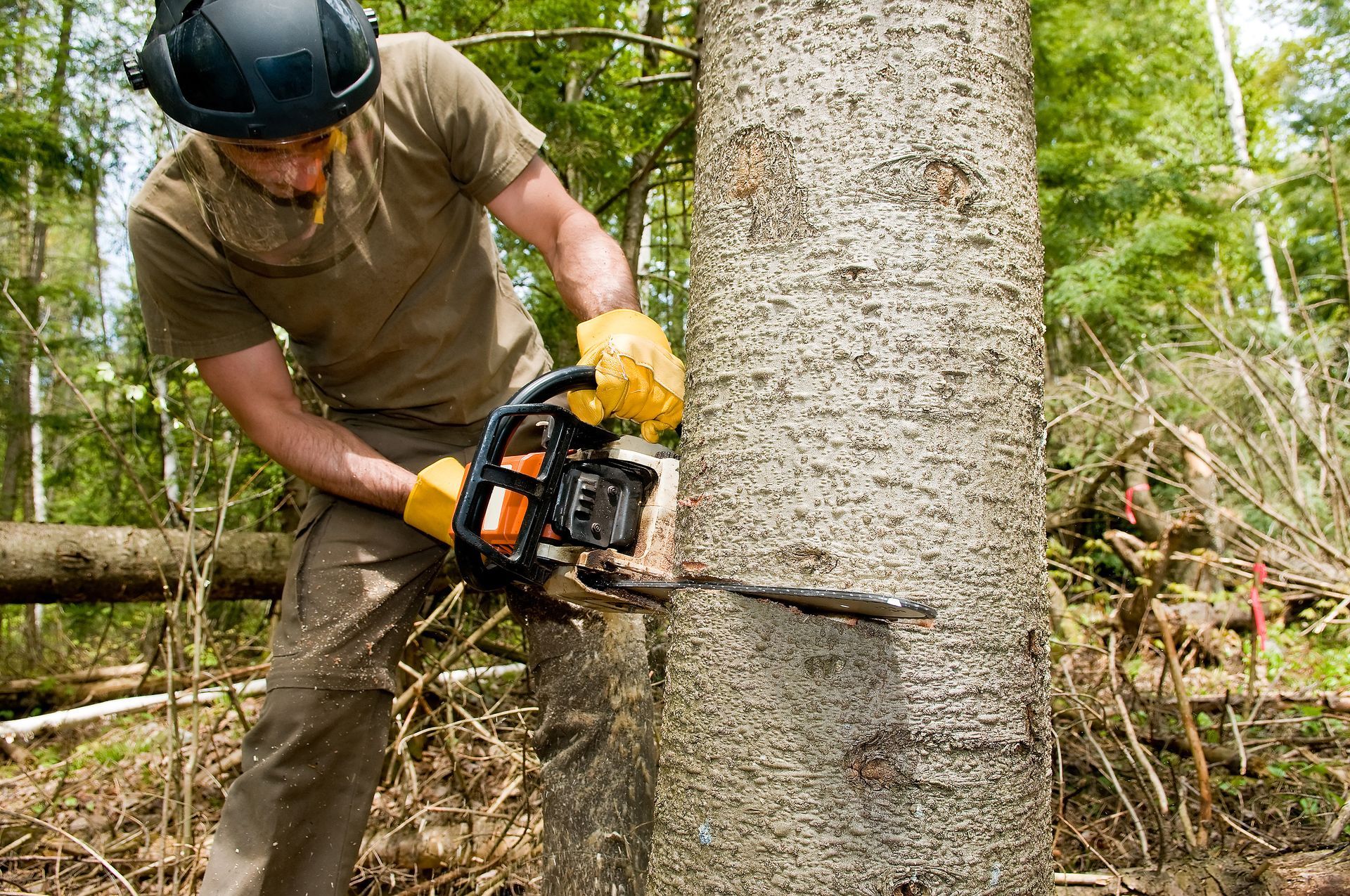
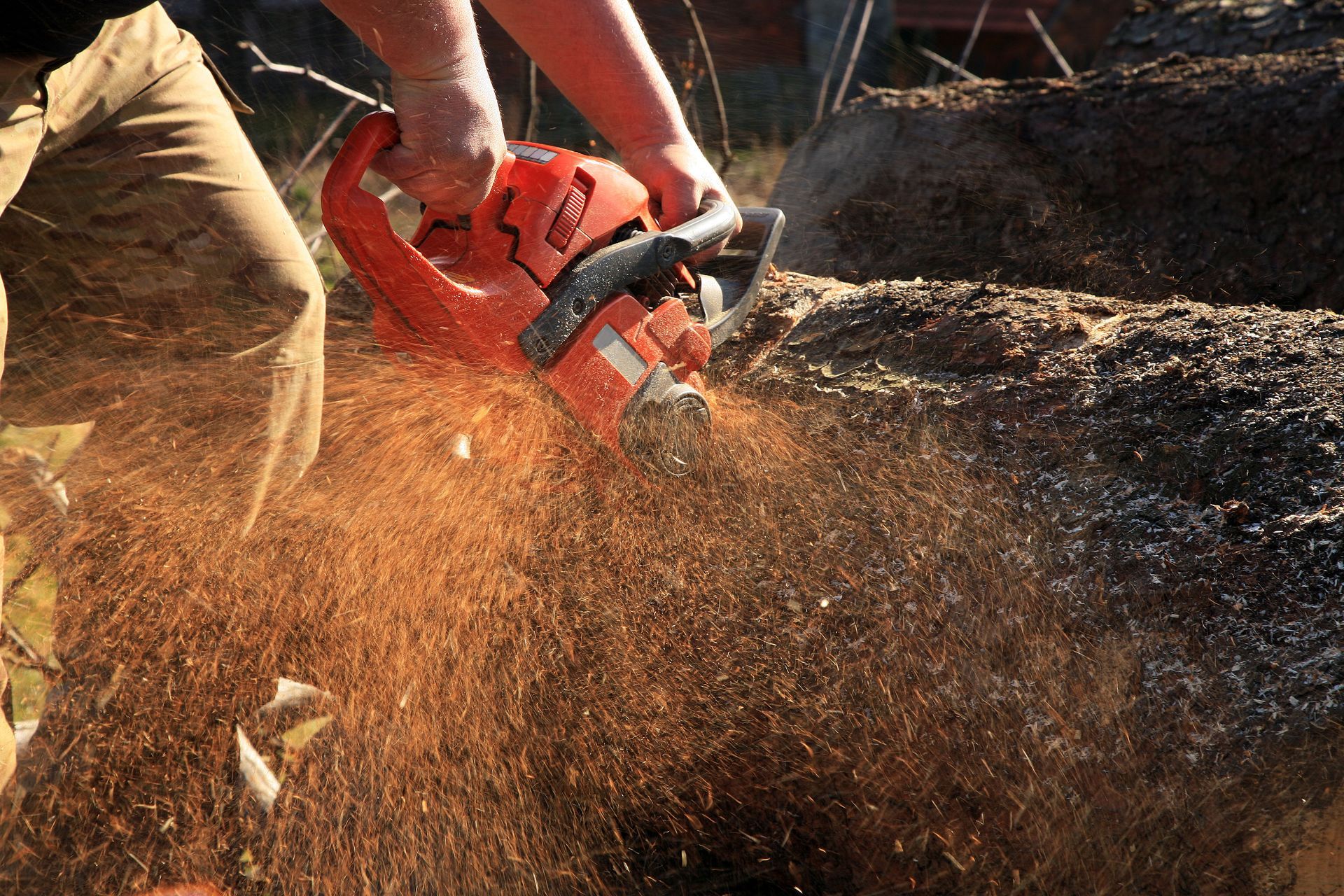
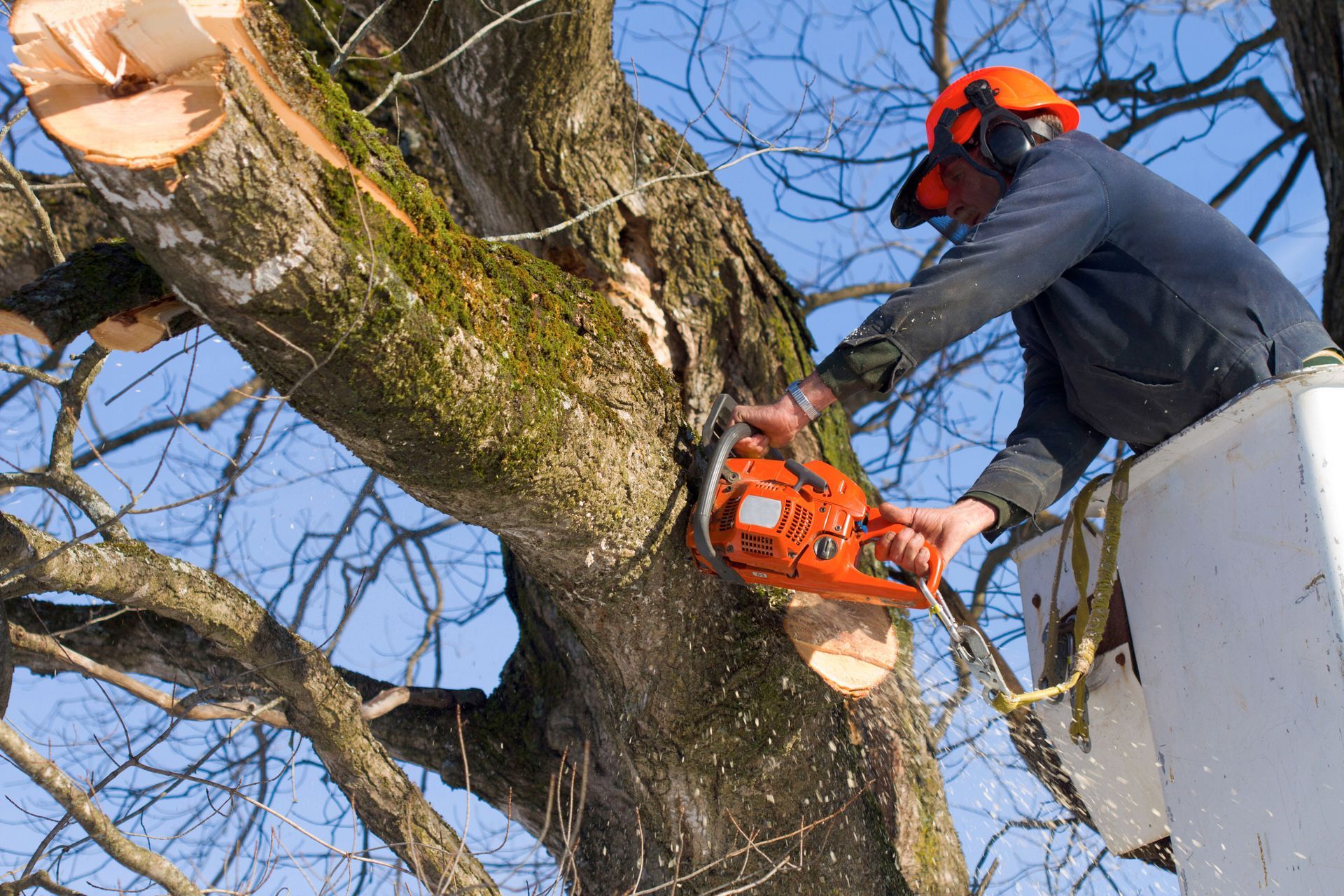
Selecting a reputable tree service is essential for safe and efficient remedial actions. Verify certification and credentials to ensure accountability. Professional crews handle complex tasks like stump grinding, bush hogging, and emergency extraction with precision. Emergency operations involve specialized equipment for secure handling. Chainsaws equipped for varied cutting needs address different sizes, while heavy machinery aids in managing large remnants. Professional crews employ rigging, anchoring, and sectional cutting to minimize risks. Relying on an experienced tree service reduces risks associated with improper handling and guarantees strict adherence to proper safety standards.
Navigating legal and permitting requirements streamlines operations and enforces regulatory compliance. Certain areas impose restrictions on removal, especially regarding protected species or significant sizes. Securing necessary permits beforehand prevents legal complications. Collaborating with experienced professionals familiar with local ordinances aids in navigating complex regulations. Safety remains the paramount concern during any operation following severe weather events. Designated areas must remain clear of bystanders during the operation. Professionals utilize personal protective equipment, mitigating injury risks. Adhering to strict safety protocols ensures smooth operations, facilitating efficient delivery and successful landscape revival prospects.
Facilitating Long-term Care and Recovery
Facilitating recovery necessitates focused care interventions that nurture health and resilience. Begin with strategic pruning to remove hazardous branches, promoting regrowth and structural stability. Implement mulching practices that conserve soil moisture, reduce compaction, and minimize weed competition. Establishing a long-term care plan ensures sustainable landscapes over time. Schedule regular inspections to identify emerging issues and initiate timely interventions. Evaluating when to replace severely damaged specimens acknowledges their role in the environment. If a specimen cannot be saved, consider palm and tropical planting options to rejuvenate the affected area.
Restoring soil health and nutrient levels is fundamental for sustained growth and resilience. Test soil quality to identify imbalances or deficiencies in vital nutrients. Employ organic matter additions or compost to replenish soil nutrients and support healthy microbial activity. Implement decompaction measures alongside proper drainage systems to alleviate water-logging issues. Long-term monitoring is crucial for maintaining resilient landscapes. Conduct routine visual inspections to check on consistent growth patterns and leaf coloration. Continuous monitoring allows timely corrective actions, promoting survival and vitality amidst potential environmental stressors and disruptive seasonal changes.
Utilizing Local Resources and Support
Local organizations remain invaluable resources for individuals navigating recovery processes. Partner with groups offering advisory services and professional care consultations. Participate in community-led initiatives aimed at education, awareness-building, and coordinated environmental preservation endeavors. Involvement in these organizations fosters collaboration, maximizes resource-sharing opportunities, and enhances collective knowledge for preparedness. Government assistance programs provide valuable support, easing burdens and granting access to specialized resources. Federal and state programs offer grants to aid in making immediate repairs and implementing restoration plans. Collaborative engagement with local agencies aids extensive rehabilitation efforts across the entire community.
Volunteer networks demonstrate grassroots efforts in supporting recovery initiatives and reinforcing neighborhood resilience. Enlist volunteers for cleanup operations, aiding in debris clearing, and providing a helping hand during emergencies. You might even salvage usable wood from fallen timber for seasonal firewood. Educational workshops cultivate knowledge dissemination, advocating ready communities and well-informed care practices. Implement workshops centered on preparedness, recovery best practices, and species selection suited for local conditions. Developing comprehensive community resilience plans prepares neighborhoods for inevitable future encounters with severe weather. Contacting a dependable tree service supports these broad community resilience goals, ensuring safe environments for everyone to enjoy.
Severe weather events pose significant challenges to community safety and environmental sustainability. Through proactive planning and professional consultation, communities can mitigate these effects and enhance resilience. Implementing strategic recovery plans fosters healthier landscapes and prepares individuals for future events. Prioritizing readiness and informed landscaping decisions shapes sustainable environments and ensures climate-resilient futures. When you need a reliable tree service to restore the beauty and safety of your property, we invite you to contact us at Fitness Tree Service.
Share On: